Close your eyes and imagine a city of over one million souls—a megacity by 8th-century standards—laid out on a perfect grid, its streets bustling with poets, merchants, monks, and diplomats from across Eurasia. This was Chang'an life at the height of the Tang Dynasty, arguably the most cosmopolitan and vibrant capital the ancient world had ever seen.
Today, we call this city Xi'an. While the wooden palaces are gone, the spirit of the Tang Dynasty's golden age (618–907 AD) is etched into the city's very bones. For any traveler seeking to understand China's most glorious era, stepping into the daily life of Tang Chang'an is an unforgettable journey.
As someone who has spent weeks tracing the outlines of this ancient supercity, I can tell you that imagining a single day here—from the first market gong at dawn to the last poetic verse under the curfew bell—reveals a world far more sophisticated and interconnected than you might ever have guessed. It was a place of high fashion, global cuisine, religious tolerance, and a surprising degree of female empowerment.
Let's walk through a day in the life of a Chang'an resident.
🌅 Dawn: Waking Up in the Ward (Fang) System
Life in 700 AD Chang'an began not with a single alarm, but with the rhythmic sound of wooden clappers and gongs. The Tang capital was not a free-roaming city; it was a metropolis of 108 walled residential wards (fang) and two massive market complexes. At dawn, the gates of each fang would open.
You wouldn't live "downtown"; you'd live in, say, Anren Fang, and walk to the West Market for work. This is a crucial concept for understanding Chang'an life: the city was a series of self-contained neighborhoods.
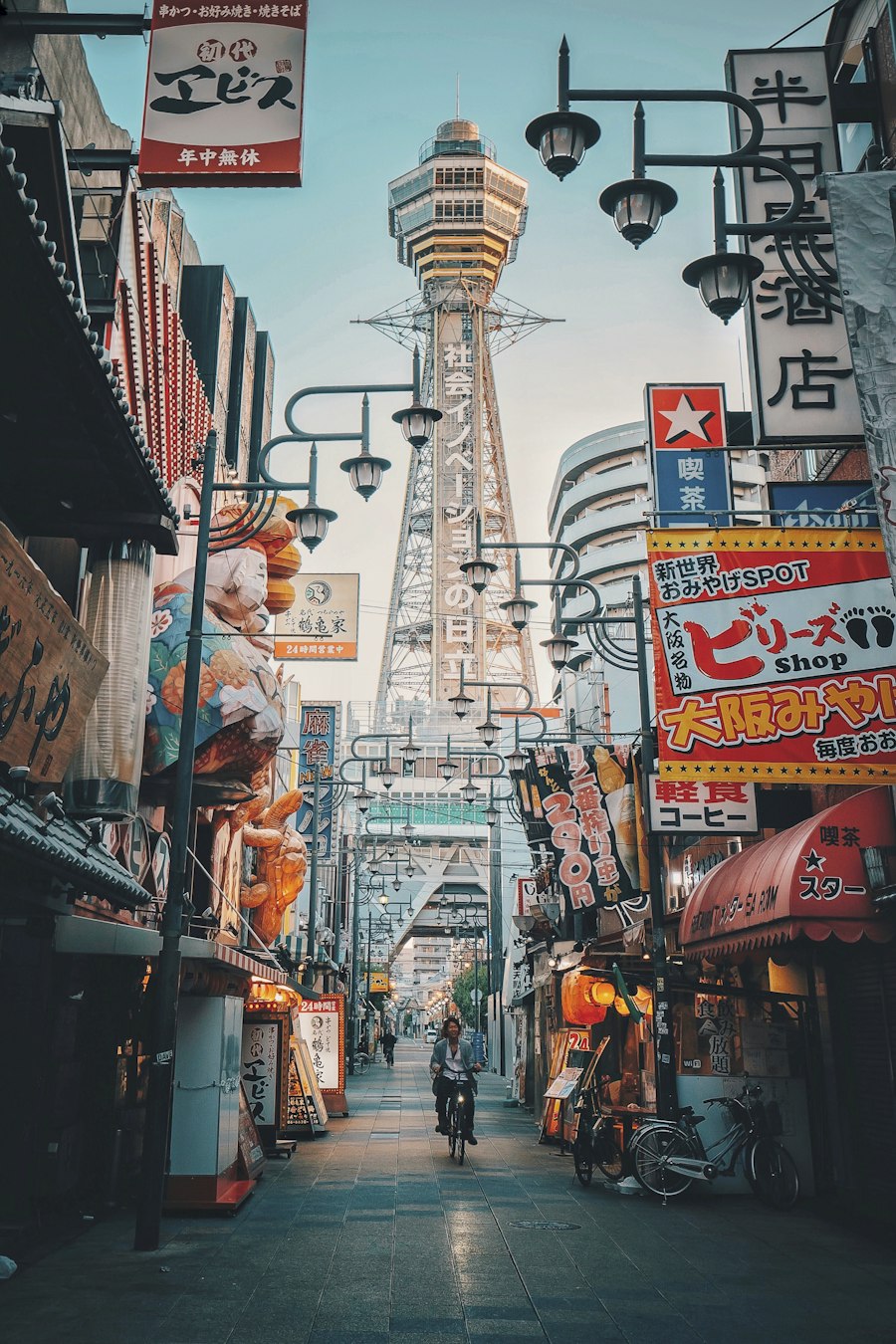
The Tang capital was not a free-roaming city; it was a metropolis of 108 walled residential wards and two massive market complexes—a city of cities within a greater whole.
Today in Xi'an, the colossal South Gate (Yongning Gate) marks the southern axis of the original Tang city. Imagine this wall extending in a vast rectangle north, with everything inside it as the royal and administrative core.
For a tangible feel of the scale, visit the Xi'an City Wall. While the current wall is from the Ming Dynasty (14th century), its footprint is smaller than the Tang version. A bike ride here (rentals ~40 RMB / $5.50 for 2 hours) helps you grasp the immense urban planning.
🍜 Morning Fuel: Tang Dynasty Food for the Soul
Breakfast was a pragmatic affair. The common folk fueled up on staples: steamed wheat buns (mantou), millet or rice porridge (zhou), and pickled vegetables. For the elite, the morning meal could be more elaborate, featuring dishes like lamb soup and finely sliced, steamed fish. The Tang palate was bold, embracing garlic, ginger, and strong flavors.
The real culinary revolution, however, happened later. Tang Dynasty food was defined by its diversity. Chang'an's position at the eastern end of the Silk Road meant ingredients and dishes poured in from Central Asia, Persia, and beyond.
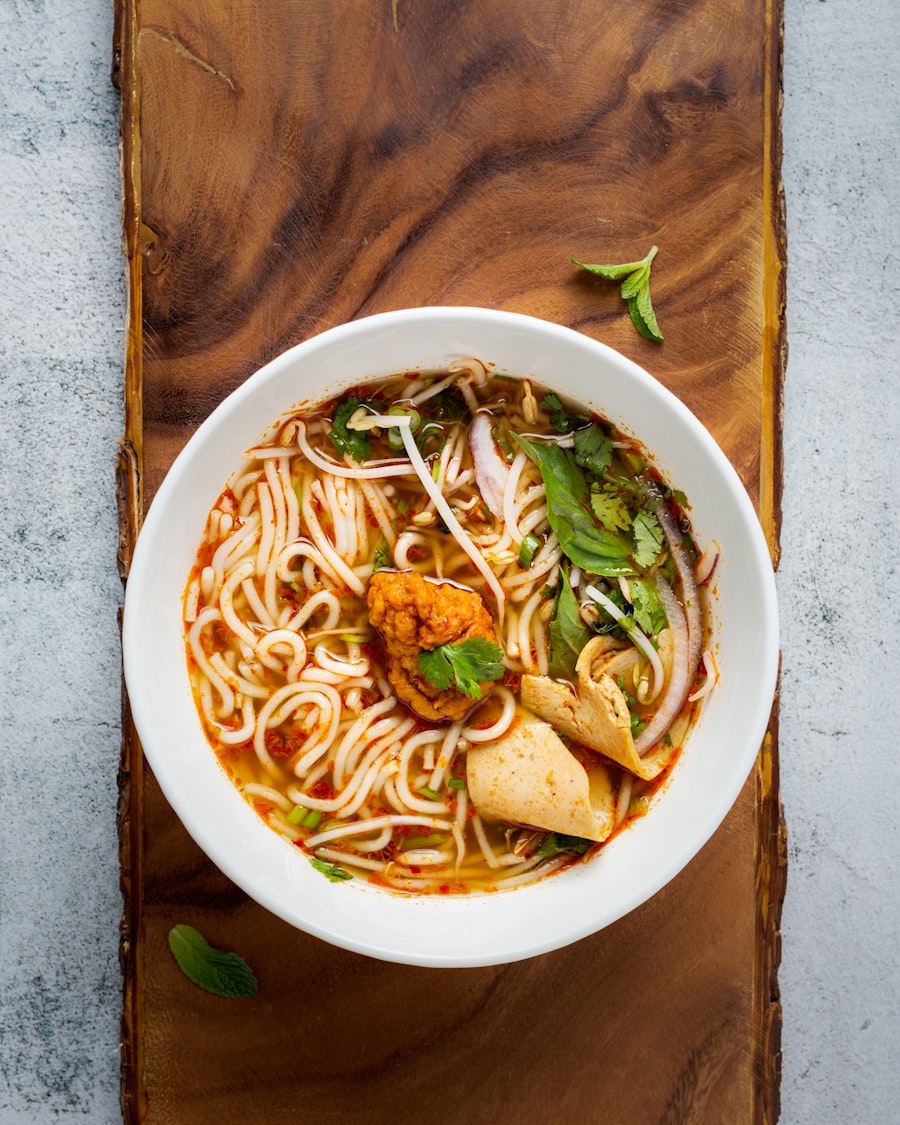
When you sit down for a meal in modern Xi'an, you're tasting direct descendants of this history. The lamb skewers (yangrouchuan) in the Muslim Quarter echo the Central Asian preference for mutton.
The iconic "Chinese hamburger" (roujiamo) is a Tang-era invention, born from the need for portable, hearty food.
To experience a sophisticated take on Tang-inspired cuisine, seek out restaurants near the Gao Family Courtyard or in the Shuyuanmen cultural street. A full meal might cost 80–150 RMB ($11–$21) per person. Try a dish with "Tang" in its name or ask for hulabing (sesame seed cakes with meat), a popular Tang-era snack.
🏛️ Late Morning: The West Market – A UN of Commerce
By mid-morning, the city's beating heart was the West Market (Xi Shi), located just southwest of the royal palace. This was not a quaint market; it was a sprawling, 100-hectare commercial complex, the epicenter of global trade.
Here, a resident could witness the full scope of Tang Dynasty's international community:
- Persian merchants haggled over glassware and gems
- Uyghur musicians played exotic instruments
- Indian monks debated Buddhist doctrines with Daoist priests
- Central Asian dancers performed for crowds
You could buy anything from Roman gold coins to Japanese silver, from Indian spices to Timurid horses. This was where Chang'an life pulsed with global energy.

The Tang West Market Museum is built on the exact archaeological site of the original market. This is non-negotiable for history lovers.
- Address: No. 1, Laodong South Road
- Hours: 9:00 – 18:00 (last entry 17:00), closed Mondays
- Cost: ~60 RMB ($8.30)
- Getting There: Metro Line 1 to "Laodonglu" Station, Exit B
The museum has an underground section showing the original market foundations and a fantastic collection of international trade goods. It truly brings the Silk Road to life.
🎨 Afternoon Leisure: Poetry, Music, and Tang Dynasty Fashion
Afternoons, especially for the literati and officials, were for leisure and cultural pursuits. Poetry was the social currency of the elite. Scholars would gather in gardens or pavilions to compose, appreciate, and critique verse over cups of fermented rice wine (jiu).
Music and dance were equally vital, with instruments like the pipa (pear-shaped lute) and guqin (seven-string zither) being mastered by both men and women. This is where Tang Dynasty fashion comes into vibrant focus. Compared to later, more conservative dynasties, Tang clothing was remarkably free-flowing and ornate.
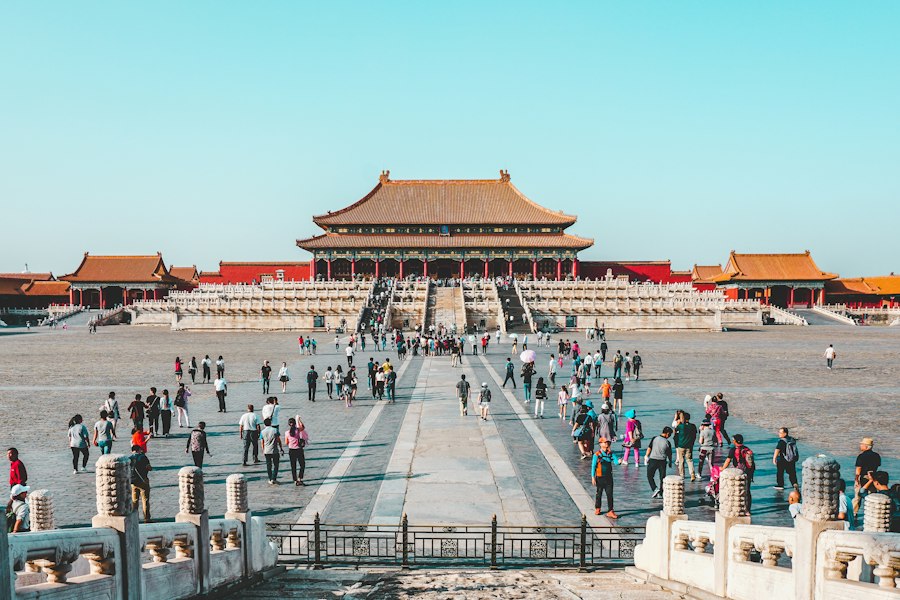
Poetry was the social currency of the elite. Scholars would gather in gardens or pavilions to compose, appreciate, and critique verse over cups of fermented rice wine.
For Women
This was a golden age of style. Women of status wore long, wide-sleeved robes over inner skirts, often made of luxurious silk brocades. Low necklines were common, a stark contrast to later periods. The most distinctive feature was the "big hair"—elaborate updos adorned with flowers, gold pins, and jade ornaments. Cosmetics were bold: white-powdered faces, dark eyebrows (often reshaped with paint), and red or pink lips.
For Men
Officials wore formal robes (pao) with specific colors denoting rank (yellow for the emperor, purple for the highest officials, green or blue for lower ranks). A mandatory accessory was the guanmao, a black gauze cap with two wings extending horizontally from the sides, designed to prevent whispering at court.
Its Tang Dynasty galleries are world-class, showcasing Tang tomb figurines, murals, and artifacts that display this fashion in exquisite detail.
- Address: No. 91, Xiaozhai East Road
- Hours: 8:30 – 18:00 (varies by season)
- Cost: FREE (extremely limited, requires advance online reservation)
Free tickets sell out instantly. For guaranteed entry, consider the paid ticket for the Tang Dynasty Mural Hall (additional ~270 RMB / $37), which is worth every yuan for the unparalleled collection of original Tang-era wall paintings.
🏮 Evening Banquet: Feasting Like an Elite
As the afternoon waned, the social elite of Chang'an would prepare for the highlight of the day: the evening banquet. These were not mere meals—they were elaborate social rituals, performances of wealth, taste, and cultural refinement that could last for hours into the night.
A banquet hosted by a high-ranking official or wealthy merchant might feature dozens of courses, each more exquisite than the last. Roast lamb, braised venison, steamed crab, exotic fruits from the tropics, and confections sweetened with honey and sesame. Wine flowed freely—both the traditional jiu fermented from rice and millet, and Persian grape wines that had traveled east along the Silk Road.
Entertainment was inseparable from dining. Musicians played haunting melodies on the pipa and erhu, while dancers in flowing silk performed the celebrated Nishang Yuyi Qu—the "Rainbow Garment Dance"—said to have been composed by Emperor Xuanzong himself. Poetry was recited, riddles were posed, and drinking games turned scholars into competitors.
The evening banquet was where Chang'an's genius for combining the refined and the raucous, the sacred and the sensual, was on full display—a feast for every sense.
As the curfew bells tolled—each ward gate closing at the second night watch—guests would make their way home through lantern-lit streets, perhaps composing a final verse of poetry to commemorate the evening. The city would fall quiet, the million-strong metropolis settling into a hush beneath the same stars that had watched over it for centuries.
And then, at dawn, the gongs would sound again, and another day in the world's most extraordinary city would begin.
Experience the Tang Dynasty Today
Xi'an awaits with its living echoes of Chang'an. From the city walls to the Muslim Quarter, every corner tells a story that spans thirteen centuries.
Frequently Asked Questions
What would a typical day have been like for an ordinary resident of Tang Dynasty Chang'an around 700 AD?
A day would begin at sunrise with the sounding of the city's drum and bell. Most people lived and worked within the strict grid of the city's 108 enclosed wards (*fang*), which had locked gates at night. Mornings might involve shopping at the bustling East or West Markets, where vendors sold everything from Chinese silk to Persian spices. The day was structured by meal times and work, with the main evening meal often being a light one. Entertainment like storytelling or music could be found in public spaces before the ward gates closed for the night.
How was Chang'an's society structured, and what was daily life like for different social classes?
Society was highly hierarchical. The imperial court and aristocrats lived in grand estates within the city, enjoying poetry, banquets, and polo. The scholar-officials, a key group, would attend to bureaucratic duties. Artisans and merchants, while economically important, had lower official status and lived in designated market wards. For the common people and laborers, life revolved around basic trades, craft production, and daily chores. Everyone was subject to the strict curfew and management of the ward system.
What were the main forms of entertainment and cultural activities in Tang Chang'an?
Chang'an was a center of culture and pleasure. Popular entertainments included watching performances by musicians, dancers (often from Central Asia), and acrobats in the market areas and teahouses. The literati enjoyed poetry competitions, drinking games, and outings to scenic spots like the Qujiang Pool. The imperial court hosted lavish ceremonies and hunts. Festivals like the Lantern Festival saw the rare lifting of the night curfew, with the entire city illuminated and filled with revelry.
Why is 700 AD considered a high point for Tang Chang'an, and what made the city unique?
Around 700 AD, during the reign of Empress Wu Zetian and the early Kaiyuan era, Chang'an was arguably the world's largest and most cosmopolitan city, with over one million residents. Its uniqueness lay in its magnificent planning (based on Sui Dynasty designs), its role as the terminal of the Silk Road, and its incredible diversity. The city hosted foreign diplomats, merchants, monks, and artists from Persia, Arabia, Central Asia, Korea, and Japan, making it a true melting pot of ideas, religions, and goods.
As a traveler in Xi'an today, what sites best help me imagine life in Tang Chang'an?
To visualize 700 AD Chang'an, visit the **Xi'an City Wall**, which outlines the smaller Ming Dynasty city but helps understand urban scale. The **Giant Wild Goose Pagoda** (built 652 AD) and the **Small Wild Goose Pagoda** are Tang-era landmarks. The **Shaanxi History Museum** holds incredible Tang artifacts, including vibrant pottery figurines depicting daily life. For a sensory experience, the bustling **Muslim Quarter** echoes the historic market areas, and the **Tang Dynasty Music and Dance Show** (like at the Tang Paradise theme park) offers a stylized glimpse of the era's art.